
New California Rent Laws Going Into Effect in 2026 Guide
We explain new California rent laws going into effect in 2026, covering appliance mandates, rent caps, and compliance for Northern CA landlords.
California rental law keeps shifting, and several changes land in 2027 that demand attention now, not in January. Staying compliant prevents costly disputes later, especially as enforcement tightens across Northern California markets. We've tracked these updates closely to help landlords in Contra Costa, Alameda, Stanislaus, and San Joaquin counties understand what's changing.
This guide breaks down the mandatory appliance standard, the rent cap rules that still apply, and the documentation you need in place before the new year. These statutes aim to standardize tenant protections statewide, but how they play out depends on your existing lease terms and your local jurisdiction.
Mandatory Appliance Requirements Under SB 628
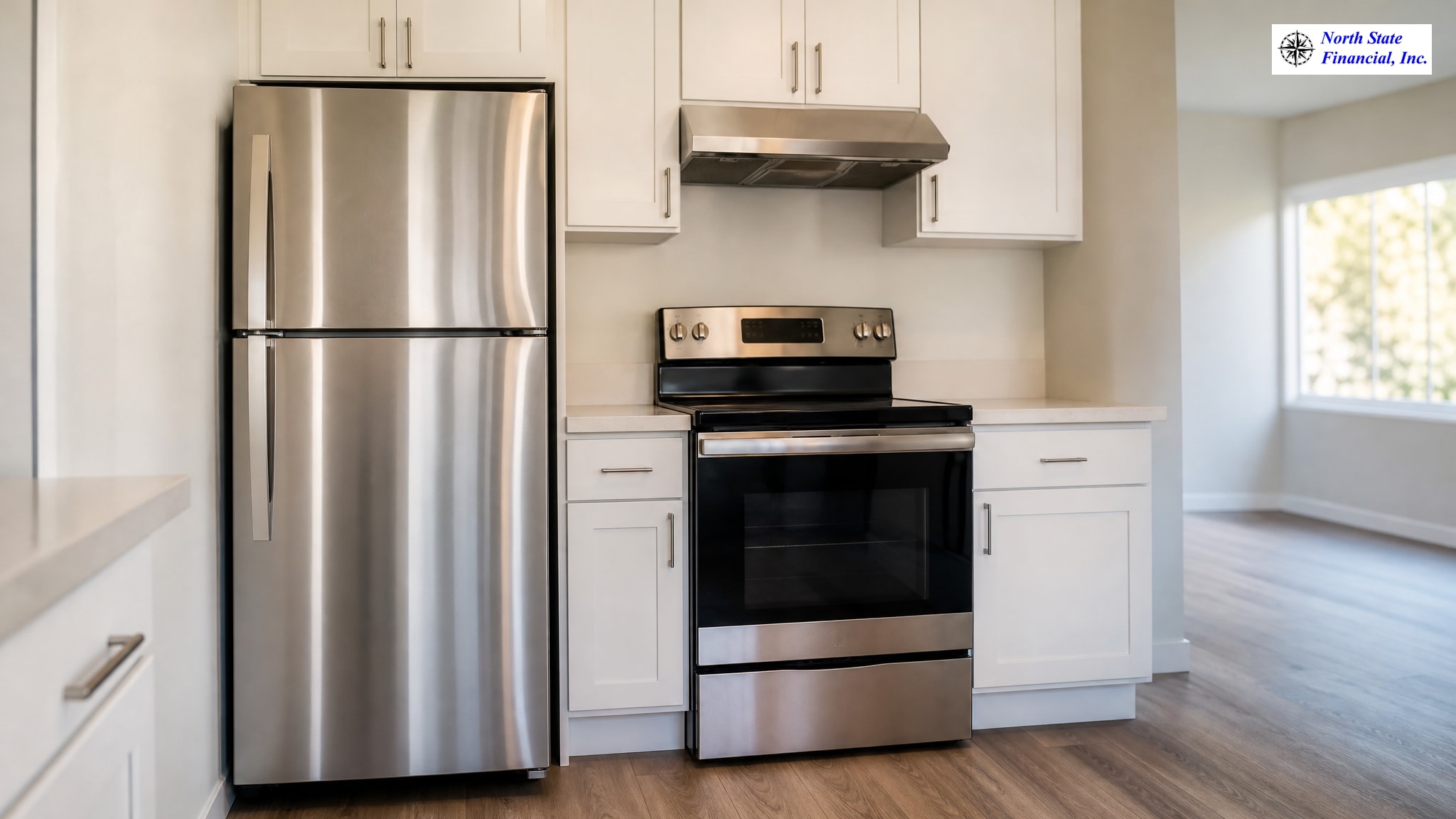
The most tangible change for physical units comes from SB 628, which adds a statewide requirement that rental housing providers supply a stove and refrigerator in the unit, with narrow exceptions. The law closes a gap landlords used to rely on: leasing a unit without these appliances if the lease said so, or if local code stayed silent on the question. You can no longer treat tenant-supplied appliances as a permanent condition of occupancy for residential leases signed or renewed after the law takes effect.
Stove and Refrigerator Standards for Residential Units
Landlords now have to install and maintain working stoves and refrigerators that meet basic safety and functionality standards in every covered unit. The law treats these appliances as part of habitability, not an optional amenity, which puts maintenance squarely on the property owner. If a unit has been running on a grandfathered arrangement or an informal agreement, bring it up to the new baseline at lease renewal or new tenancy, not later.
Exceptions and Compliance Timelines
Some specialized housing types and temporary occupancy arrangements stay exempt, though the exemptions are narrower than many owners assume. A single-family home where the tenant owned and installed their own appliances before 2026 may qualify for a limited exception, but that status needs documented proof, and it doesn't carry over automatically to the next tenant. New tenancies starting January 1, 2027 need to comply immediately, so procurement and installation should already be underway for any vacant unit entering the market this winter.
Rent Increase Caps and Tenant Protections
The rent cap framework under AB 1482 still operates alongside the newer 2027 rules, so landlords are working with layered requirements rather than a clean replacement. The maximum allowable increase is still tied to the regional Consumer Price Index plus five percent, capped at ten percent total, but the calculation method and notification requirements have been refined. Ongoing leases and new agreements carry different obligations, so it matters which one you're dealing with.
Current Allowable Increase Limits
The formula for your allowable rent increase hasn't changed, but the verification process now demands tighter documentation of the applicable CPI index. The state publishes updated regional indices every year, and using an outdated figure is a violation even if the error happens to favor the tenant. Pull the current index for your county's metropolitan statistical area before issuing any rent adjustment notice.
Impact on Month-to-Month Tenancies
A month-to-month tenancy doesn't automatically convert to new statutory terms on January 1, 2027. But modify that agreement after the new year, whether you adjust rent, change payment terms, or alter any material condition, and the whole tenancy resets to the updated compliance standard. Passive continuation without a written change generally preserves pre-2027 terms, so careful record-keeping is what lets you tell a protected legacy arrangement apart from a newly regulated one.
Security Deposit Handling and Deduction Statements
The 21-day security deposit rule remains one of the most strictly enforced timelines in California landlord-tenant law, and it now intersects with broader transparency mandates. Landlords must send tenants a statement no later than 21 days after move-out covering security deposit deductions and any remaining balance. Miss that deadline and you forfeit the right to retain any part of the deposit, regardless of actual damages. Newer transparency requirements build on this 21-day floor; they don't replace it.
Deduction statements need to include photographic evidence of damage and itemized vendor invoices for repairs above a nominal threshold, which raises the bar past a simple written description. Electronic delivery is permitted if the tenant agreed to electronic communication at lease signing, but paper mail stays the default without that opt-in. Treat the 21-day timeline as non-negotiable and you cover both the legacy rule and the new documentation standard at once.
Updated Compliance Forms and Documentation
Regulatory bodies have released revised forms calibrated to the current rules, and an outdated template can create a technical violation even when you're substantively compliant. The California Apartment Association confirms that new compliance forms for 2026 are now available, with key updates tied to new laws, including updated addenda for appliance disclosures and rent cap notifications. Source documents directly from recognized industry associations or legal publishers so you're working with current language rather than a recycled version missing a mandatory clause.
Required Disclosures for New Leases
Every residential lease executed or renewed now needs specific disclosures covering appliance provision, rent cap applicability, and tenant data privacy rights. These can't be buried in general boilerplate. They need a distinct acknowledgment section where the tenant confirms receipt and understanding. Omit a required disclosure and you're not just looking at a remediation opportunity: it can invalidate related lease provisions or trigger statutory penalties whether or not the tenant suffered actual harm.
Record-Keeping Best Practices
Good documentation habits reduce risk during tenant disputes or regulatory audits because they create a verifiable timeline. Keep digital copies of every notice served, signed disclosure, appliance installation receipt, and CPI verification record, organized by property and tenancy period. That turns scattered paperwork into defensible evidence, which matters most when you're responding to a challenge months or years after the original transaction.
Broader Housing Law Changes Impacting Landlords
Beyond rent and habitability statutes, ancillary housing laws reshape rental management in ways landlords often overlook until enforcement arrives. Effective August 1, 2026, consumer deletion requests under the Delete Request and Opt-Out Platform took effect, and they affect data privacy compliance for landlords who collect and store applicant screening information. That requirement extends past traditional credit reporting to any personal data retained during the application process, which means updating your retention policy and disposal protocol.
These peripheral rules don't dominate daily operations the way rent caps or appliance mandates do, but they carry the same enforcement weight once triggered. A landlord who focuses only on visible compliance areas while ignoring data privacy or ancillary disclosure requirements is building in a gap. Monitoring a comprehensive legislative summary, like the CSULB Legal Resource Center overview of 2026 laws, helps you catch these secondary obligations before they turn into urgent problems.
Navigating Compliance in Northern California Markets
State-level mandates set the regulatory floor, but Northern California markets add layers that vary across our service area. North State Financial has managed regulatory compliance for landlords across Contra Costa, Alameda, Stanislaus, and San Joaquin counties for over two decades, and we see consistently that uniform statewide guidance rarely translates the same way across county lines. Local enforcement priorities, inspection frequency, and interpretation differences mean a compliance strategy has to be geographically specific, not generic.
Local Considerations for Contra Costa and Alameda Counties
Alameda County runs some of the most stringent local oversight in the region, and landlords there have to navigate parallel municipal and county registration systems alongside state mandates. Our Alameda County property management experts regularly help owners reconcile overlapping requirements where local ordinances exceed state minimums on appliance standards or rent stabilization. Contra Costa County is different: city-level rent boards vary, and code enforcement approaches differ city to city, which calls for localized knowledge. Owners operating there should check our Contra Costa County rental compliance guide rather than assume state compliance covers local obligations too.
Partnering with Experienced Property Managers
Misreading overlapping regulations creates liability that compounds with each lease cycle, which is why professional oversight is a risk mitigation strategy, not a convenience. A property management service gives you continuous monitoring of legislative changes, a standardized form library updated in real time, and institutional memory of how specific provisions get enforced locally. That infrastructure matters most during a transition like this one, when the volume of simultaneous changes outpaces what an individual owner can track while also running day-to-day operations.
Schedule a compliance review to verify your portfolio meets every current requirement before the new year begins.
Frequently Asked Questions About 2026 California Rent Laws
Can my landlord increase my rent in 2026?
Yes, but increases remain capped at five percent plus regional CPI or ten percent total, whichever is lower, under AB 1482. Landlords must use the correct 2026 regional CPI index and provide proper written notice before implementing any adjustment. Properties exempt from statewide rent caps still may be subject to local ordinances with stricter limits.
What are the major changes in California rental laws for 2026?
The most significant changes include mandatory stove and refrigerator provision under SB 628, updated security deposit documentation requirements with photographic evidence, and new tenant data privacy obligations effective August 1. Existing rent cap formulas continue unchanged but require updated CPI verification and enhanced disclosure language in all new or renewed leases.
Are month-to-month tenancies automatically subject to new 2026 terms?
No, passive continuations of existing month-to-month agreements generally preserve pre-2026 terms until an affirmative modification occurs. However, any rent adjustment, term change, or written modification after January 1, 2026 triggers full compliance with updated statutory requirements for that tenancy going forward.
Where can landlords get updated 2026 compliance forms?
Updated forms are available through the California Apartment Association, licensed legal publishers, and professional property management firms that maintain current document libraries. Using outdated templates risks technical violations even when substantive compliance is met, so verify that any form references 2026 statutory language before deployment.
Ready to work with North State Financial?
Professional property management across Contra Costa, Alameda, Stanislaus, and San Joaquin counties.
Get Started Today